

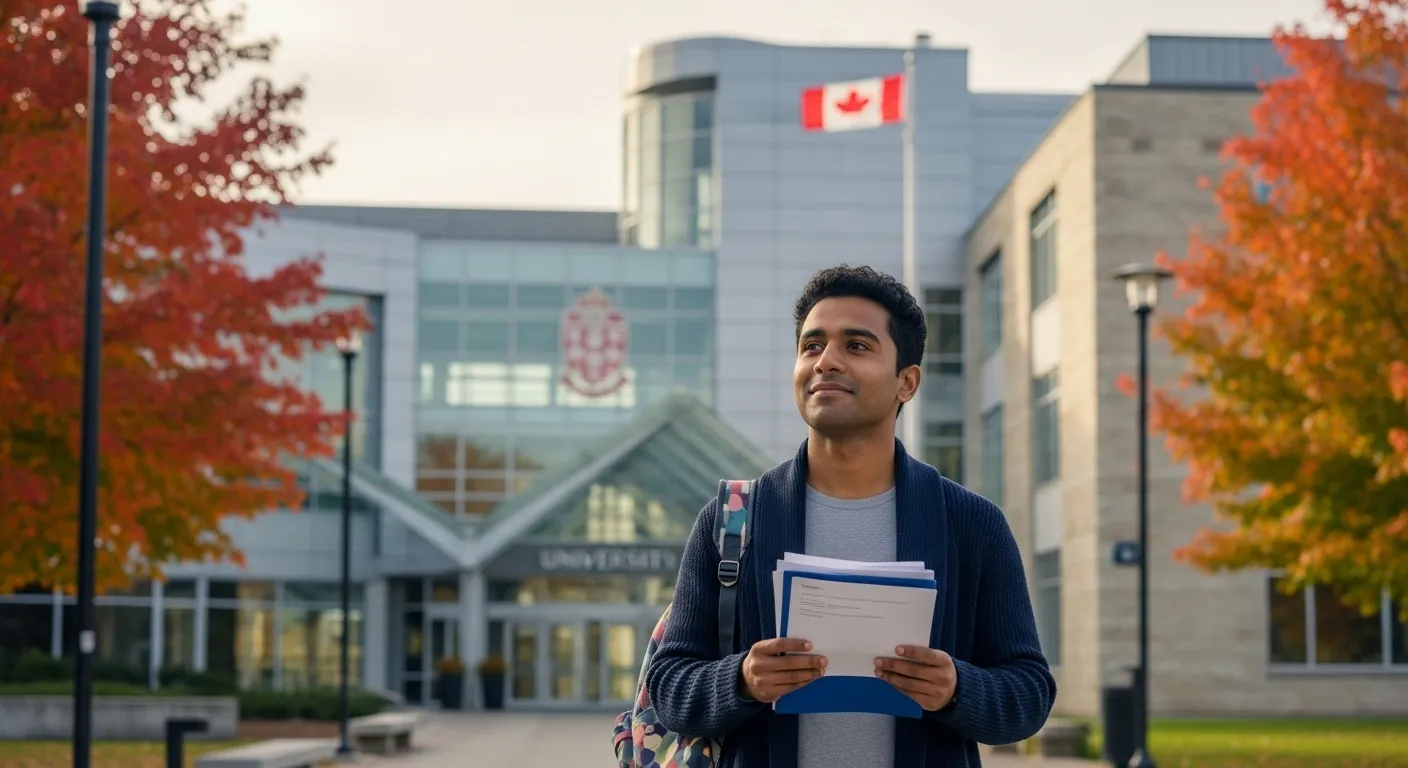
The Canadian immigration landscape has seen significant changes, particularly for students. One of the most crucial changes for international students is the termination of the Student Direct Stream (SDS) program. This fast-tracked visa stream, designed to help students from select countries, including India, China, and Nigeria, secure study permits quickly, is no longer available. This shift may affect thousands of students who were planning to use the SDS for a streamlined study permit process.
What is the SDS Program? Introduced in 2018, the SDS program was aimed at making it easier and faster for students from specific countries to secure a study permit for Canada. This program expedited the process for students who could meet certain eligibility requirements, including providing proof of financial resources, language proficiency, and full tuition payment for the first year of study. Canada’s study permit process under SDS allowed students to receive their permits in just a few weeks, which was a significant benefit. However, as of November 2024, the SDS Canada closure has raised concerns among students from regions like India and Nigeria, where the program was especially popular. With this closure, students will now have to navigate the regular study permit process, which might result in longer wait times and additional documentation requirements.
The Impact on International Students The sudden closure of the SDS stream will undoubtedly create challenges for international students in Canada, particularly those who were counting on the faster approval timelines. International students, especially those from high-demand countries like India and China, might face significant delays in their visa processing as they revert to the conventional study permit process. For students aiming to apply for study permits in Canada, this closure signals that they must be more diligent in meeting the updated application criteria. While this may cause disruptions, it's crucial for students to understand the new realities of the Canadian immigration system. Exploring alternative pathways like Provincial Nominee Programs (PNPs) or postgraduate work permits might provide potential solutions. If you’re a prospective student or an agent, staying updated on the latest Canada immigration updates is essential for ensuring that your application process remains as smooth as possible. HKS Law, with its deep expertise in Canadian immigration services, can guide you through these changes. For more insights into the 2024 Canadian immigration updates, refer to our comprehensive guide on Canadian immigration changes.
How the End of SDS Affects Key Countries Students from countries like India, Nigeria, and the Philippines, who previously benefitted from the SDS program, will feel the most immediate effects. These nations had the highest number of applicants for the SDS Canada program, making it crucial for students to reconsider their plans. For instance, Indian students will now need to adjust their expectations when it comes to the processing time for their study permits. While the SDS closure affects students from all over the world, it may also lead to changes in the student demographic coming to Canada. With fewer fast-track options available, prospective students might be discouraged from applying. On the flip side, those who still wish to study in Canada will need to be prepared for more extensive documentation and possibly longer processing times. Students from these regions should consider exploring other immigration pathways that might still expedite their visa process. For example, Post-graduate work permits in Canada could offer an alternative for those looking to transition to work in Canada after completing their studies. At HKS Law, we are constantly monitoring how changes in the immigration system affect students, especially those who may be considering studying in Canada. For detailed information on other Canadian immigration options, check out our guide on how to apply for Canadian citizenship or learn more about Canada immigration pathways from our article on changes in immigration patterns.
Navigating the Regular Study Permit Process With the closure of SDS, prospective students must now turn to the regular study permit application process. While this process is not new, it is more detailed than the expedited SDS process. Students will need to provide more comprehensive financial documentation and evidence that they meet the study permit criteria. Understanding the detailed steps to apply for a study permit in Canada is essential for anyone looking to study in the country. Students must also ensure that they submit all required documents, such as proof of sufficient funds, language proficiency scores, and an acceptance letter from a Designated Learning Institution (DLI). Given the increased complexity of the study permit application process in the absence of SDS, students may benefit from professional guidance to navigate these changes. Working with an experienced immigration lawyer in Canada, such as those at HKS Law, can ensure that students are fully prepared for the new realities of Canadian immigration. Our team is available to help you every step of the way.
What Does This Mean for Students from Other Countries? While students from countries like India are often the most vocal when it comes to SDS Canada closure, other international students should also understand how these changes affect them. Countries like Nigeria and the Philippines, which have also had large numbers of SDS applicants, will see similar delays and complications. Additionally, students from countries that were not part of the SDS program will not be directly impacted by the closure, but they should be aware of the evolving immigration landscape and potential changes in policy. The student visa application in Canada may become more competitive due to the increased number of students now using the traditional process.
Looking Ahead: Post-Graduate Work Permits and Other Pathways Though the closure of SDS is a significant shift, students should remember that there are still other immigration options available. One of the most prominent is the Post-graduate work permit (PGWP), which allows students to stay and work in Canada after completing their studies. The PGWP provides valuable work experience that can later lead to permanent residency. In addition, students may also want to explore other Provincial Nominee Programs (PNPs) that focus on attracting international students to specific regions in Canada. These programs may offer streamlined pathways to permanent residency, especially if students find employment in those provinces after their studies. To understand how these alternative pathways can work in your favor, visit our guide on changes in immigration patterns in Canada, which outlines strategies for students to take advantage of these opportunities.
How HKS Law Can Help You Navigate the New System At HKS Law, we understand that navigating Canadian immigration changes can be challenging, especially for international students. Our team of immigration experts is ready to assist you in preparing for the new realities of the Canadian study permit process and beyond. Whether you're looking for guidance on the regular study permit route or interested in exploring other immigration pathways like the Post-graduate work permit or Provincial Nominee Programs, we’re here to help. If you’re ready to start your journey toward studying in Canada, we offer tailored services to guide you through every step of the immigration process. Our goal is to make your application as smooth and efficient as possible. Visit HKS Law today and take the first step toward securing your future in Canada!
Conclusion The closure of the SDS program marks a significant change in Canada's immigration policy, but with the right guidance and preparation, prospective students can still successfully navigate the study permit application process. At HKS Law, we are committed to helping international students achieve their goals and make their Canadian dreams a reality. If you're looking for more information or personalized assistance, don’t hesitate to reach out to us. Let us help you plan your path to success in Canada!